


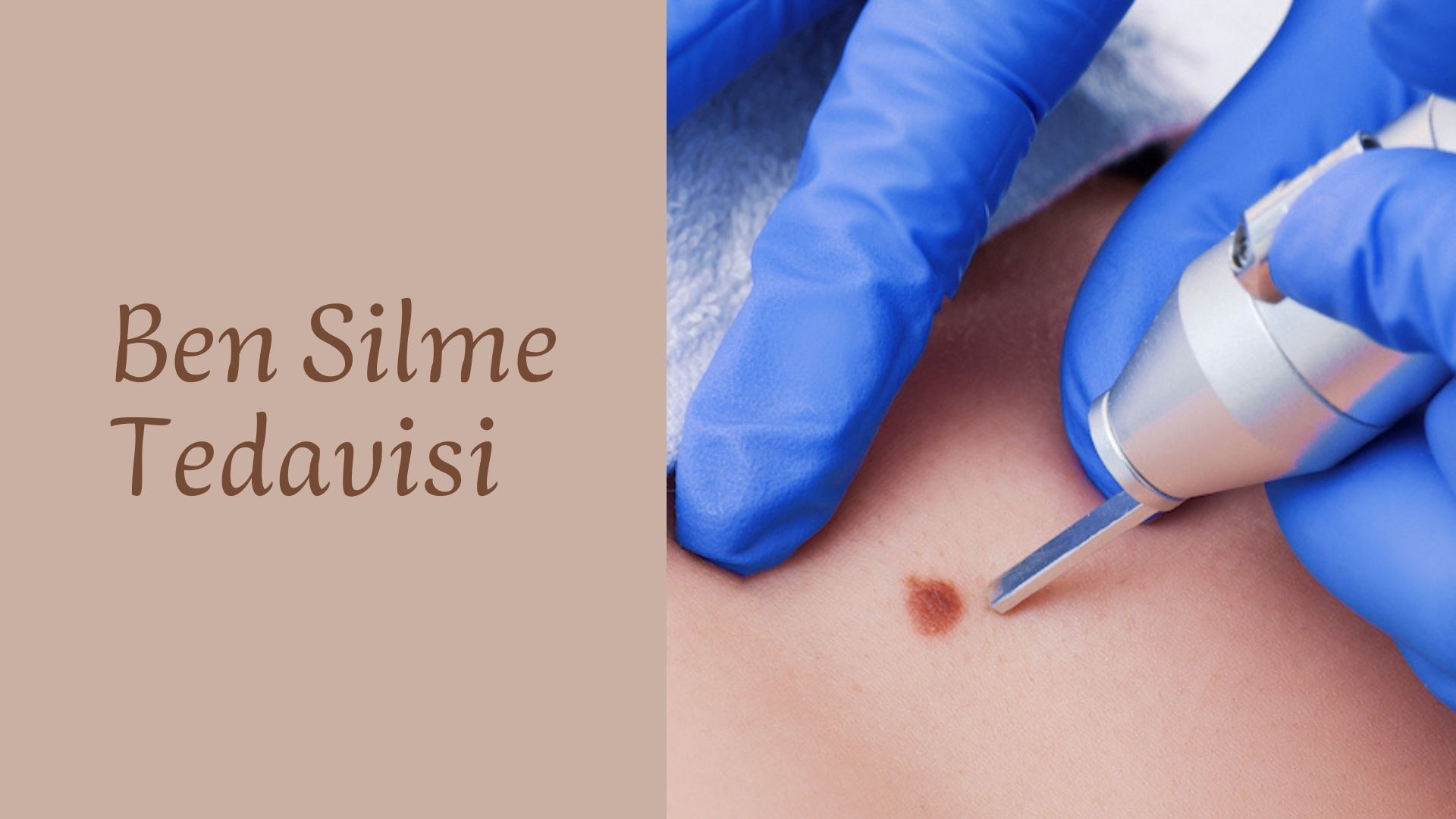
Mole Removal: Why Is It Important in Terms of Aesthetics and Health?
Our skin is not only an organ that provides contact with the outside world; it is also a mirror of our health. The moles on our body (called nevus in medicine) are mostly harmless and can increase in number throughout life. However, in some cases, they can be both risky in terms of health and aesthetically disturbing. Therefore, mole removal is not only a cosmetic procedure, but also a preventive health practice.
In this article, I want to explain in a way that the public can easily understand when mole removal may be necessary, what methods are used and what to pay attention to afterwards.
What is a Mole?
Moles are colored structures formed by the pigment cells (melanocytes) in our skin coming together. Their colors can vary from light brown to black, and rarely even blue. They can be congenital or they can appear later in life.
Not every mole is harmless. Some moles can change shape, color or size over time and can be a sign of skin cancer.
In Which Cases Should a Mole Be Removed?
Not every mole needs to be removed. However, the following situations should be evaluated by a doctor:
If the mole has an asymmetrical shape
If its edges are irregular or indented
If its color has more than one tone
If it is larger than 6 mm in diameter
If it grows, itches, bleeds or becomes a wound over time
If it causes friction and irritation with clothing
If it bothers the person aesthetically
These findings may be early signs of serious skin cancers such as malignant melanoma. Therefore, mole removal is not only a cosmetic procedure but also a preventive health practice.
What Methods are Used to Remove a Mole?
Different treatment methods may be preferred depending on the structure, location and reason for removal of the mole. These are:
1. Surgical Excision (Excision)
The mole is completely removed with a scalpel under local anesthesia. The removed tissue is sent for pathological examination, that is, evaluated under a microscope for cancer risk.
It is usually stitched and heals within a few weeks.
2. Laser Mole Removal
It is especially preferred for superficial moles that are at the same level as the skin. It does not require incision or stitching. However, pathological examination cannot be performed, so it is only used for non-risky moles.
3. Electrocautery / Radiofrequency Removal
It allows the mole to be removed by burning or vaporizing. It is suitable for small and swollen moles. The probability of leaving a scar is low and it heals in a short time.
What to Consider After the Procedure?
The recovery process after mole removal is quite comfortable. However, there are some points to consider:
The area should be kept clean and dry after the application.
It should not be exposed to the sun, and if necessary, a high protection factor sunscreen should be used.
There may be crusting or slight swelling, the area should not be played with or scratched during this period.
If stitches have been placed, a check-up should be done on the days determined by the doctor.
If necessary, the doctor may recommend special creams or silicone-based products to minimize scarring.
Does Mole Removal Leave a Scar?
The answer to this question varies depending on the type of mole, the method applied, and the person's skin structure. Surgical methods may leave a slight scar; however, this scar fades over time. The risk of scarring is lower in laser and radiofrequency applications.
In order to leave no scars or minimal scars in mole removals performed in aesthetic areas, the procedure must be performed by an experienced specialist.
Conclusion: Don't Ignore Your Moles
Although moles are mostly harmless, some may be early warning signals given by our body. For this reason, moles should be monitored at regular intervals, and a dermatologist should be consulted if a suspicious change is observed.
Remember, the most effective way to prevent a mole on your skin from turning into a cancerous structure over time is early diagnosis and appropriate treatment.
Evaluate your moles not only for aesthetic concerns, but also for your health.
 Call
Call
 Whatsapp