


More
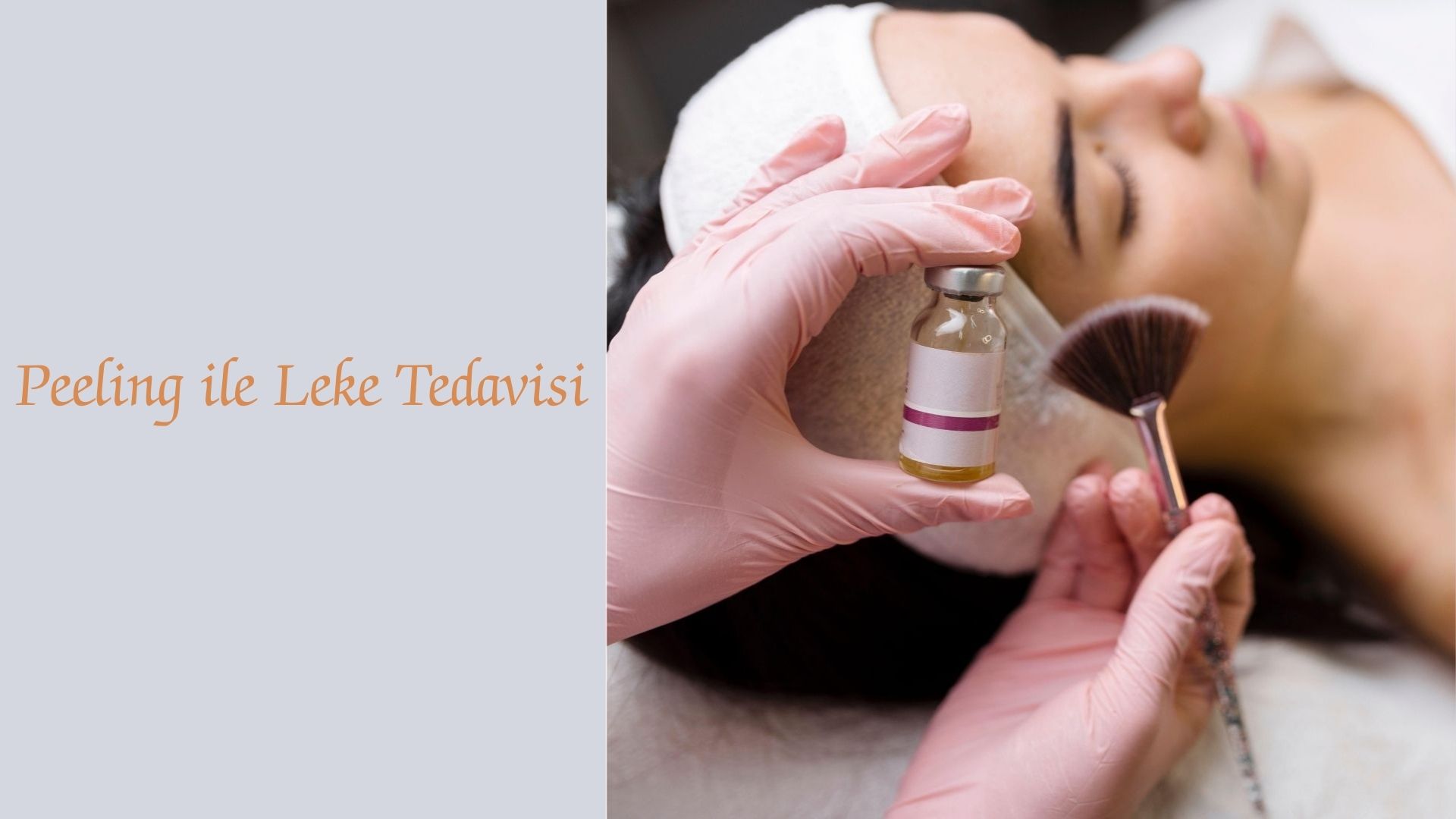
Spot Treatment with Peeling
Peeling Stain Treatment Re-Brighten Your Skin Skin blemishes can occur for many reasons such as sun exposure, aging, ...
Q-Switched laser technology is commonly used for treating skin pigmentation issues caused by sun exposure, hormonal changes, aging, or acne. It works by delivering short, high-energy pulses of light that specifically target melanin, the pigment responsible for dark spots. This energy breaks down the pigment particles into smaller fragments, which are then naturally eliminated by the body over time. Importantly, the laser affects only the pigmented areas without damaging the surrounding healthy skin.
This method is suitable for various types of pigmentation, including sun spots, freckles, age spots, birthmarks, and post-inflammatory hyperpigmentation. It can also be used in some cases of melasma, although melasma typically requires a more cautious and long-term treatment plan. Because the laser does not remove layers of skin, there is minimal recovery time, and most people are able to return to their normal routine shortly after each session. Mild redness or warmth may occur immediately after treatment, but these effects usually subside quickly.
Q-Switched laser treatment is generally most effective for individuals with lighter skin tones and clearly defined dark spots. Ideal candidates are those seeking to reduce pigment irregularities without undergoing invasive procedures. In deeper pigment conditions like melasma, multiple sessions and ongoing maintenance may be necessary. A thorough skin assessment is important before starting treatment to determine the suitability of the procedure based on the type, depth, and cause of the pigmentation.
This treatment may not be suitable for everyone. People with very dark skin tones, recent sunburn, or certain skin sensitivities should be evaluated carefully. Individual skin response can vary, so personalized planning is essential to achieve safe and effective results.
Pigmentation treatment with Q-Switched laser typically requires several sessions, depending on the severity and depth of the pigmentation. On average, visible improvement is seen after 3 to 6 sessions spaced a few weeks apart. The number of sessions may vary depending on skin type, pigmentation type, and response to treatment.
After each session, it's essential to protect the treated area from sun exposure by applying high-SPF sunscreen and avoiding direct sunlight. Some people may experience mild flaking or dryness in the days following treatment—this is part of the skin’s natural renewal process and should not be disrupted. Picking or exfoliating the area is not recommended, as it may interfere with healing.
In addition to fading pigmentation, the laser can improve overall skin tone and brightness over time. However, results are gradual, and consistency in both treatment and post-care is key. Regular communication with a trained skin care professional helps ensure safe treatment tailored to individual needs.
Peeling Stain Treatment Re-Brighten Your Skin Skin blemishes can occur for many reasons such as sun exposure, aging, ...
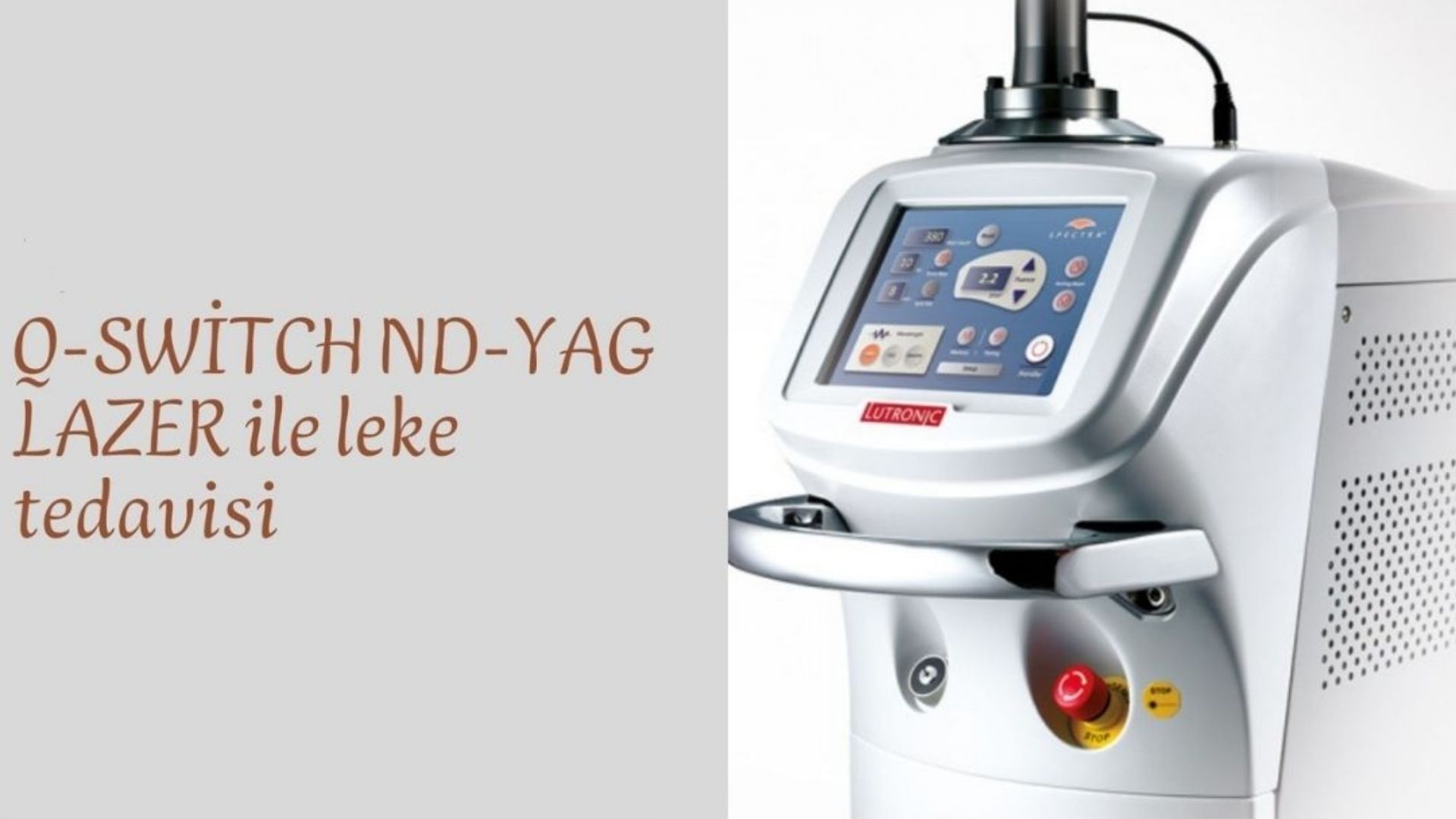
Q-Switch Laser Spot Treatment Equalize Your Skin Tone, Regain Your Radiance Skin spots that occur due to sun, ...
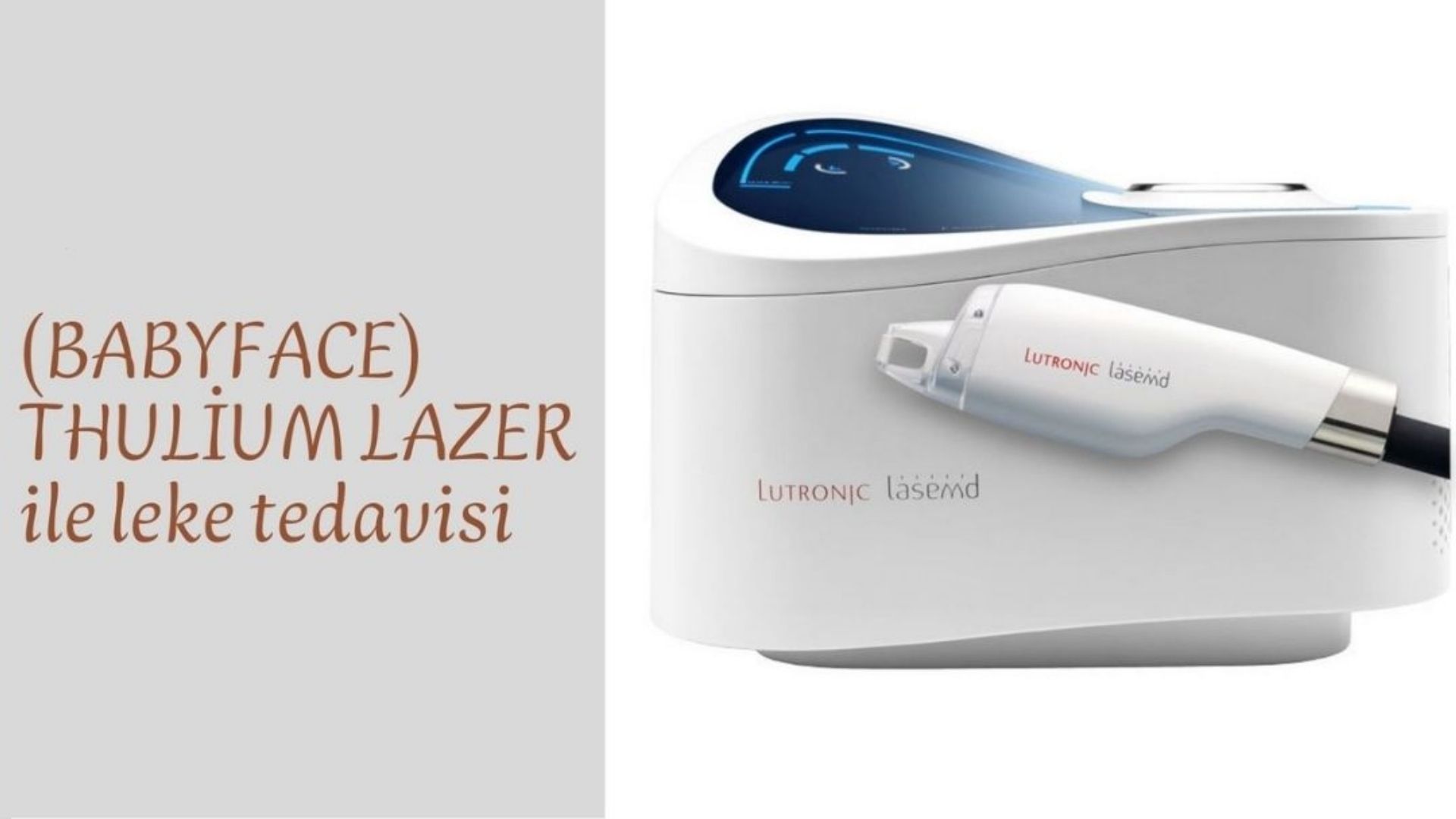
Treatment of Stains with Thulium Laser Open a Bright Page on Your Skin Sun, aging, hormonal changes or ...
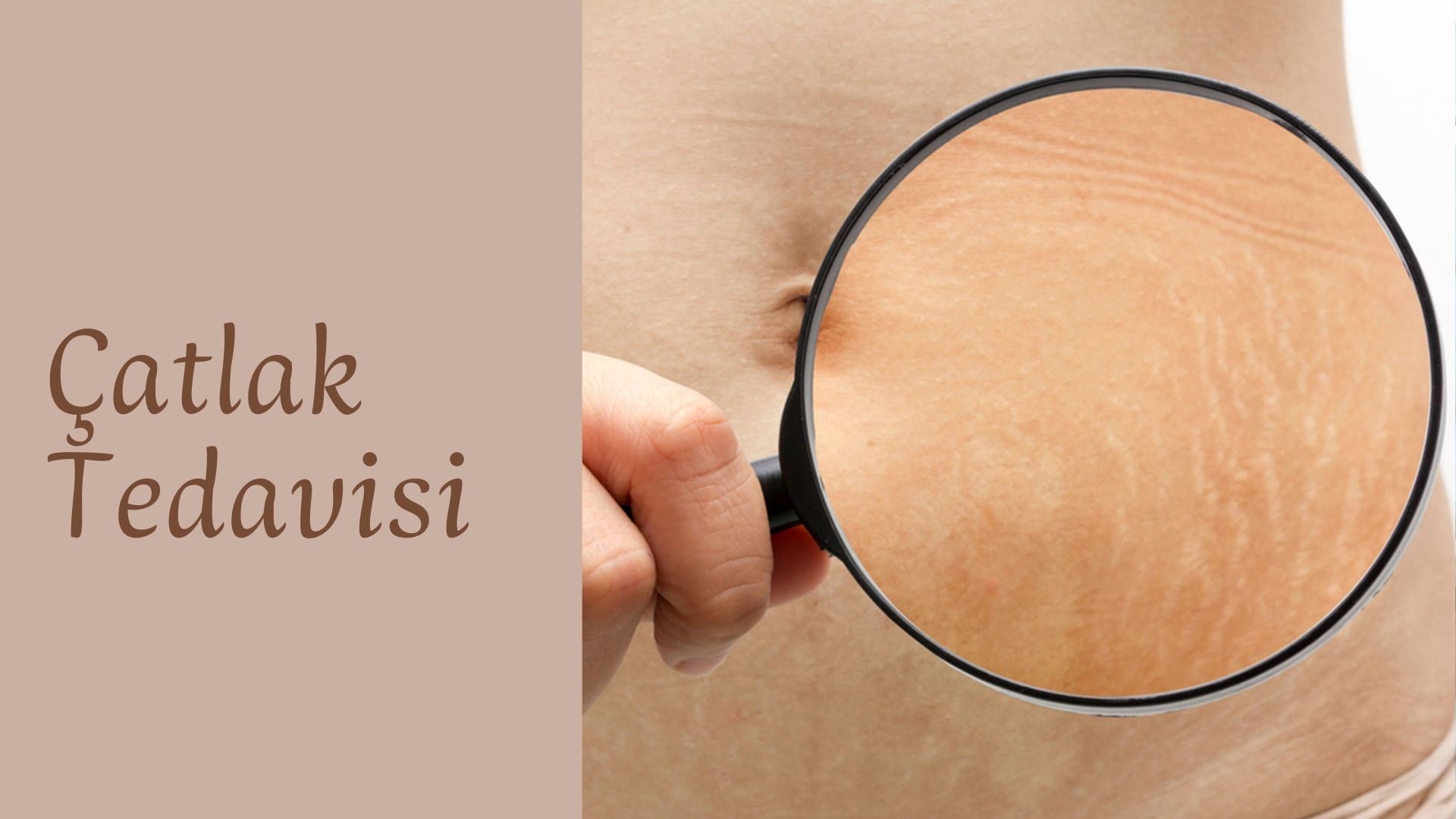
Stretch Mark Treatment: Modern Ways to Say Goodbye to Skin Scars Pregnancy, rapid weight gain and loss, ...
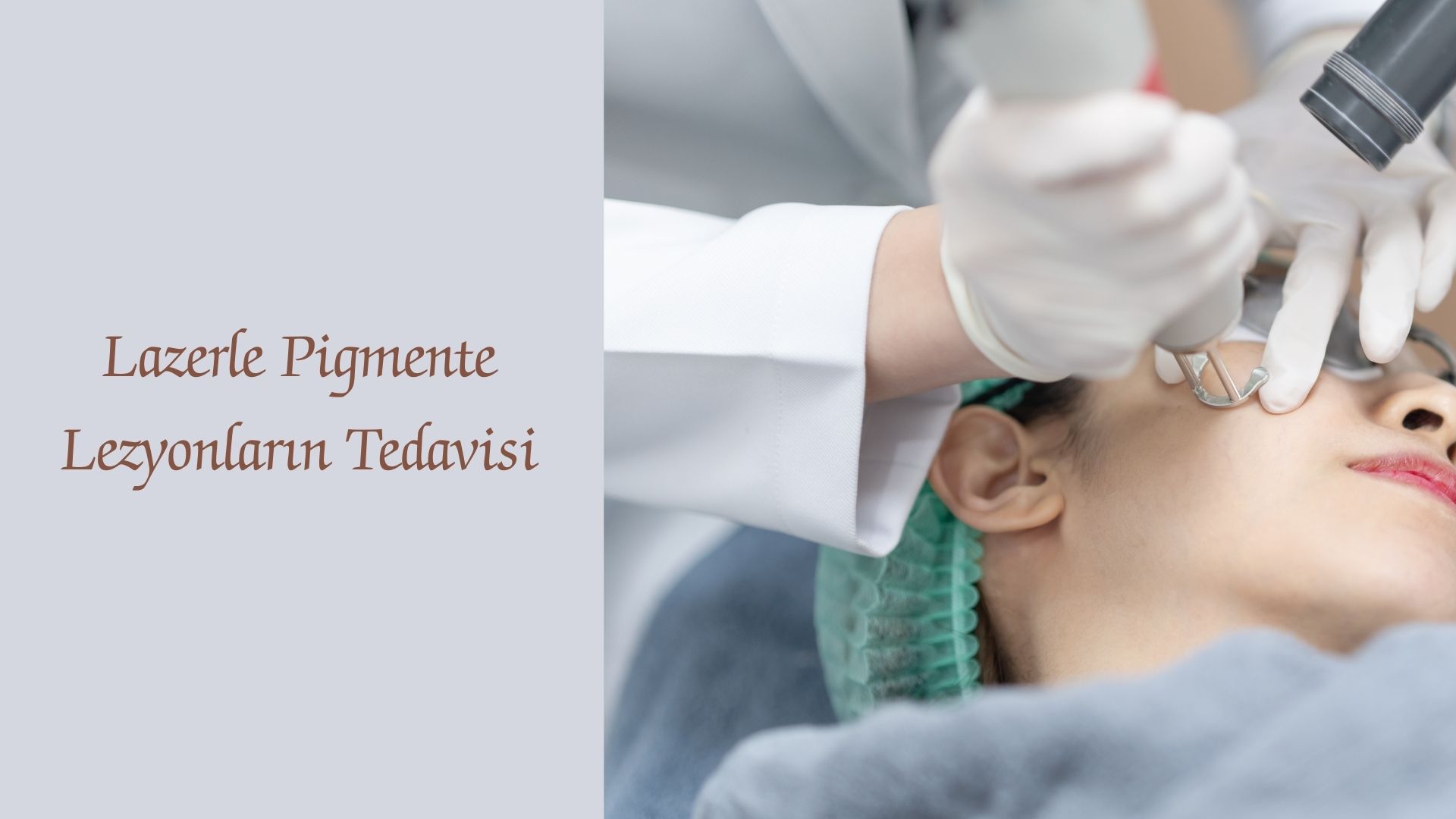
The Q-Switch laser is a laser technology that uses short, high-energy pulses and is specifically targeted ...
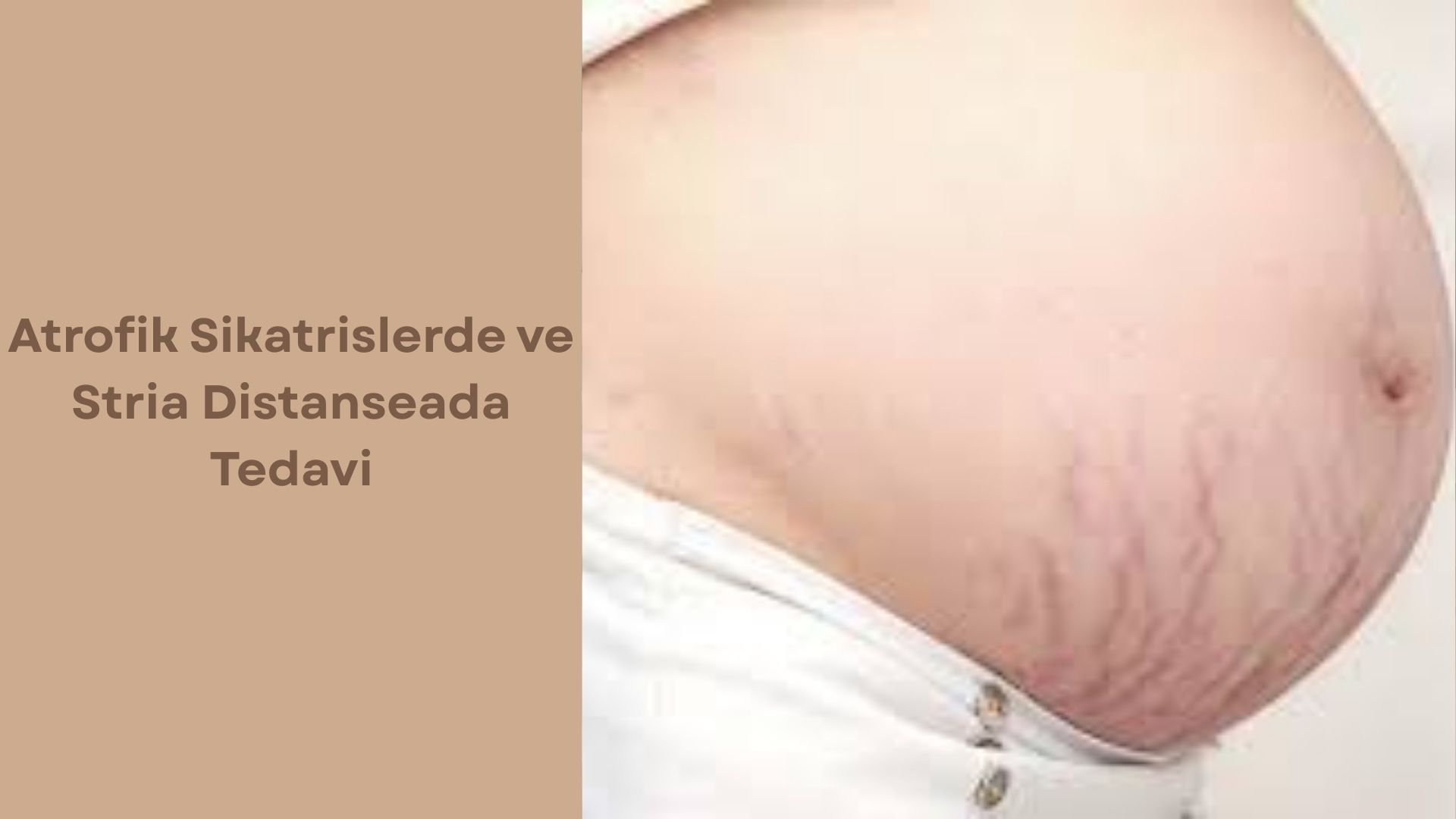
Gold needling is an advanced skin rejuvenation technology that helps reduce the appearance of stretch marks ...
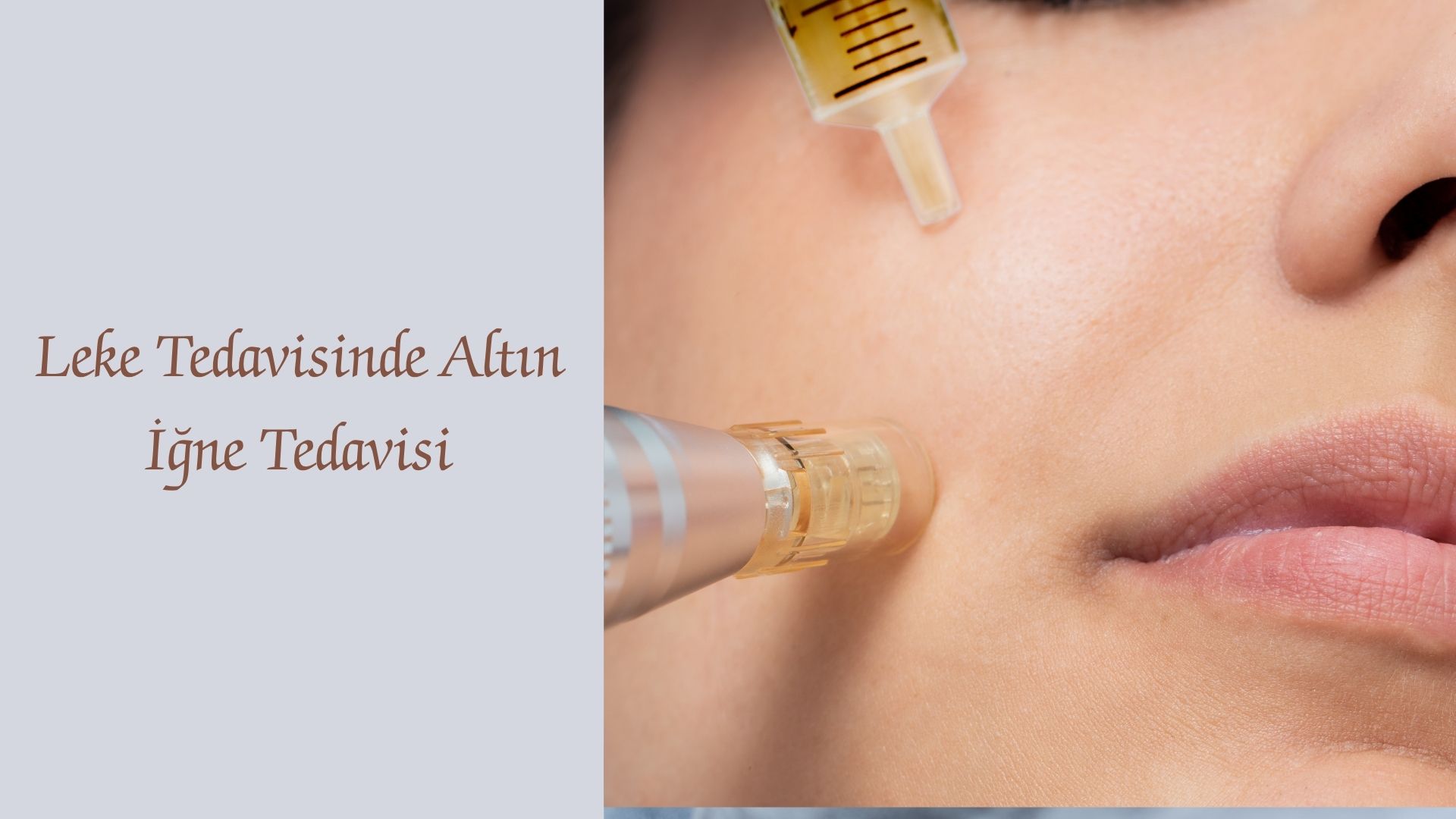
Gold Needle Treatment for Spot Treatment Rediscover Your Skin Factors such as sun, acne, aging and hormonal changes ...
 Call
Call
 Whatsapp