


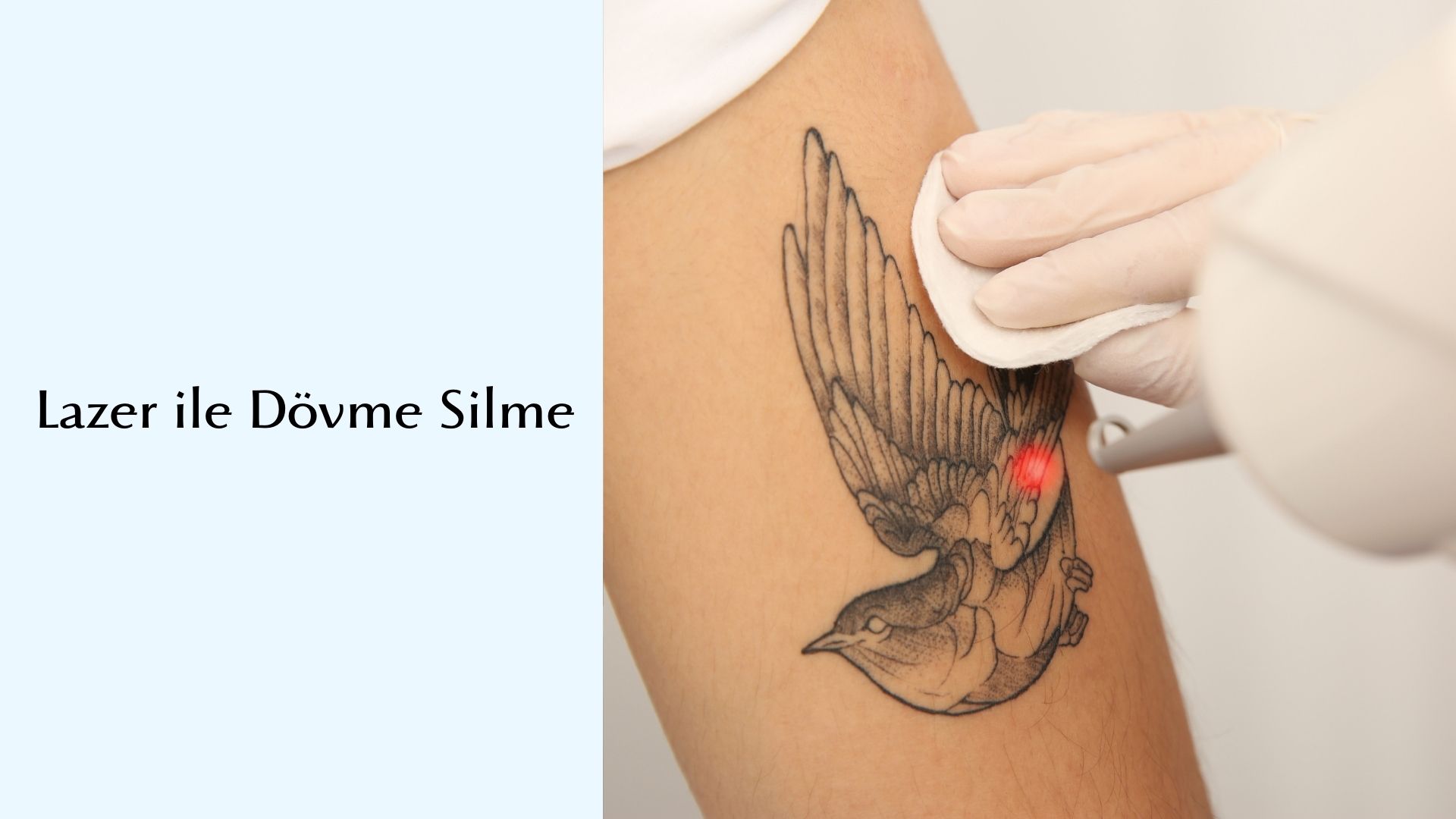
Laser Tattoo Removal
Safely Erase Past Scars
Although tattoos are a form of personal expression, they can lose their meaning over time. Sometimes they are the result of a sudden decision, and sometimes they can remain on our skin as a trace from the past. Fortunately, tattoo removal no longer has to leave a scar like in the past. Laser tattoo removal can be applied both safely and effectively thanks to advanced technologies.
So how is a tattoo removed with a laser? How many sessions are required? Does it hurt? Let's examine all the curiosities together.
What is Laser Tattoo Removal?
Laser tattoo removal is a process that breaks down tattoo pigments with high-energy laser light and allows them to be naturally removed from the body. The most commonly used systems in this treatment:
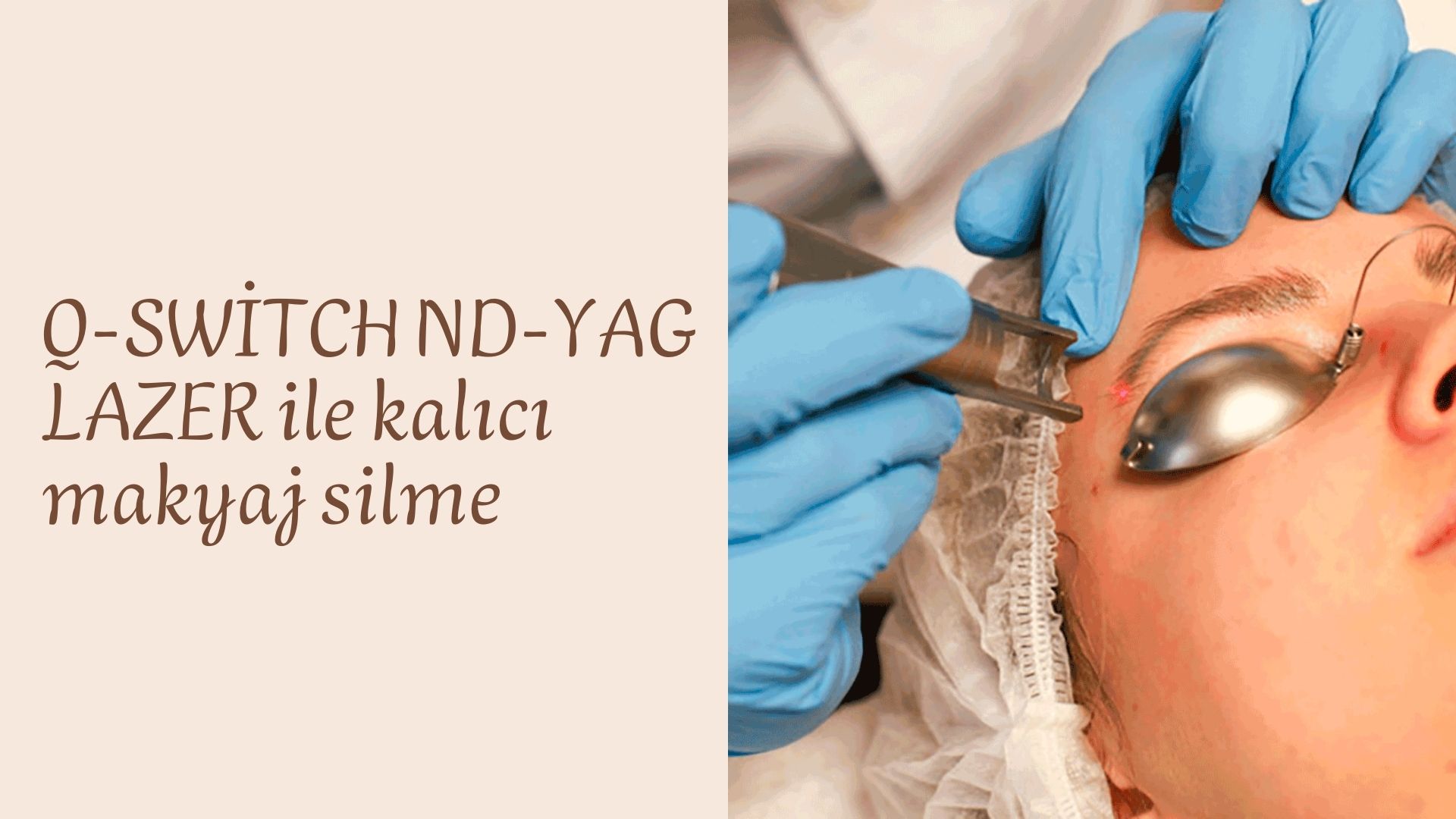
Q-Switched Nd:YAG Laser
Pico Laser Technology
These lasers target only the dyed cells by working with wavelengths specific to the tattoo pigment. It ensures that the tattoo is removed over time without damaging the surrounding healthy tissue.
How Does It Work?
When applied to the skin, laser light targets the ink particles in the tattoo and breaks them into microscopic pieces. These particles are naturally absorbed and excreted by the body with the help of the immune system. After each session, the color lightens, the pigment decreases and the skin approaches its former appearance.
Which Tattoos Can Be Removed?
Black and dark colored tattoos: These are the easiest tattoos to remove.
Colored tattoos: Pigments such as red, blue and green in particular may be more resistant, but can be removed with the appropriate laser.
Amateur tattoos: They are usually superficial and contain little pigment, so they are easier to remove.
Professional tattoos: More sessions may be required due to their depth and pigment density.
How Many Sessions Are Required?
Depending on the color and depth of the tattoo, the type of ink used and the skin type, a treatment ranging from 4 to 10 sessions may be required. Session intervals are usually planned as 4-8 weeks. This period is necessary to allow the body to clear the pigments.
Is the Application Painful?
There may be a slight burning or rubber-shock sensation during the procedure. However, most of the time, pain is felt at a minimum level thanks to the anesthetic creams applied before the procedure. If necessary, comfort can be increased with cooling systems or cold compresses.
What to Consider After the Procedure?
There should be no contact with water and soap for the first 24 hours,
You should not go out in the sun, you should use a high protection factor sunscreen,
If there is crusting or redness, it should definitely not be picked,
Moisturizer and protective cream should be used.
When proper care is taken, the risk of scarring is very low.
Advantages of Laser Tattoo Removal
✔️ Does not involve surgical incision or stitches
✔️ It causes minimal damage to the skin tissue
✔️ The risk of scarring is low
✔️ The success rate is high even for colored tattoos
✔️ Return to social life is very fast
Who is Not Suitable for?
Pregnant women
Those with active infectious skin diseases
Those with very dark skin types (caution should be exercised due to the risk of hyperpigmentation)
Individuals who have used isotretinoin (roaccutane) in the last 6 months
A detailed medical evaluation is required in all cases.
Getting Rid of Tattoos is Possible, but It Requires Patience
Tattoo removal is a process. With patience, regular sessions and an expert practitioner, it is possible to safely get rid of old scars. The important thing is to protect the skin after the procedure, stay away from the sun and follow the recommendations completely.
Conclusion: Erase Old Scars for a New Beginning
The decision to remove a tattoo is a personal journey. In order not to risk your health and damage your skin while erasing the past from your skin, you should prefer scientific, safe and professional methods.

 Call
Call
 Whatsapp