


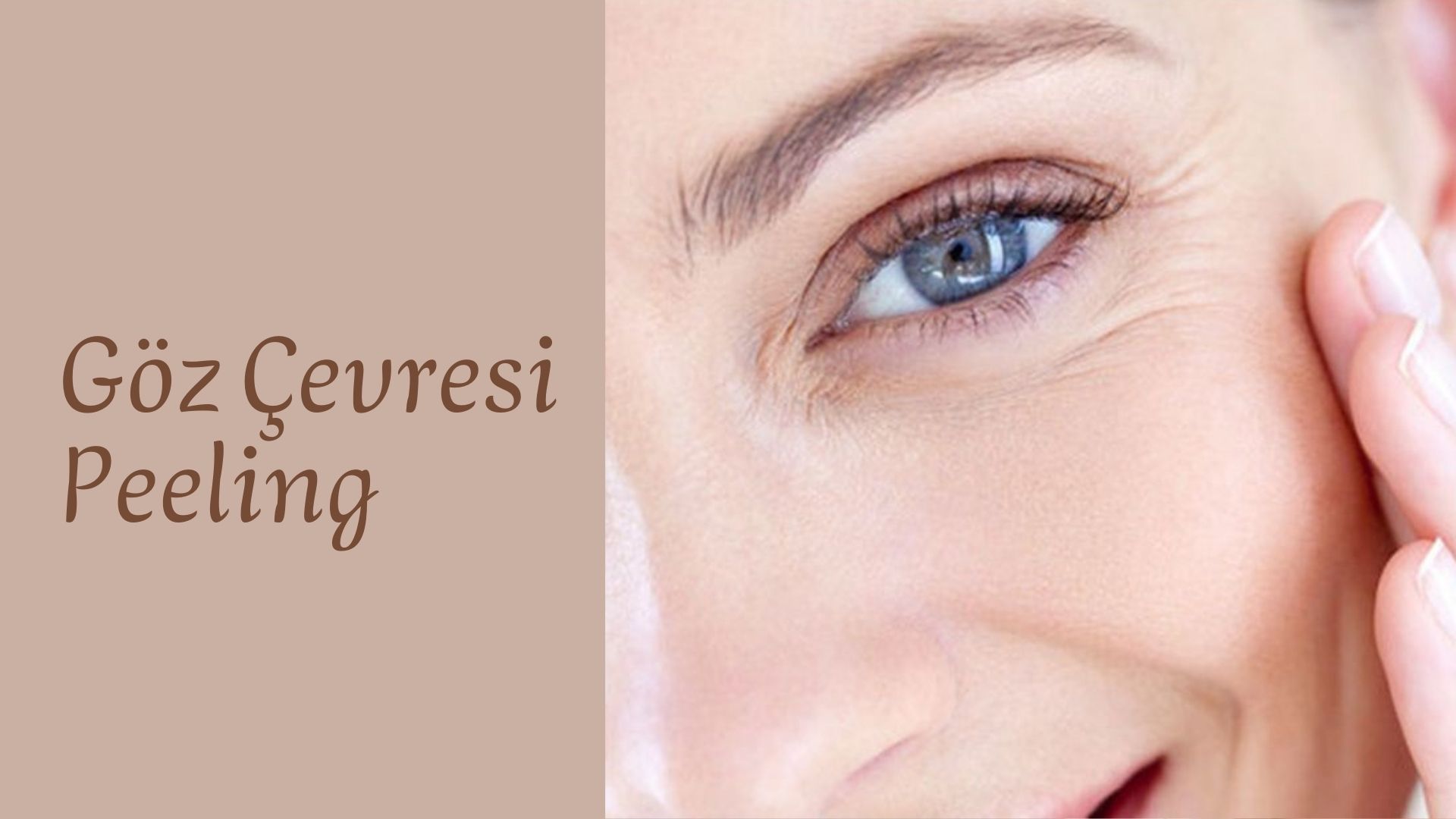
Eye Peeling: A Dermoactive Approach Targeting the Biological Regeneration Process
The eye area is more vulnerable to external factors due to its thin epidermal structure and low sebum production. Periorbital skin in this area is prone to premature aging, particularly pigmentation due to melanin accumulation, dryness due to transepidermal water loss, and fine lines. Chemical peels specifically formulated for the eye area are used to reduce these signs and rebuild the skin barrier.
Alpha hydroxy acids (AHAs), such as mandelic acid, lactobionic acid, or low-concentration glycolic/lactic acid, are generally preferred for application. These agents controllably exfoliate keratinocytes in the stratum corneum while accelerating epidermal cell renewal. Protocols supplemented with tyrosinase inhibitors (e.g., kojic acid or arbutin) to regulate melanin production are effective in reducing hyperpigmentation.
Temporary erythema and mild peeling may occur after the peel, indicating the activation of the epidermal cycle. The treatment supports the physiological regeneration process of the epidermis, improves the homogeneity of the skin texture around the eyes, stimulates microcirculation, and stimulates fibroblast activity, reducing the appearance of fine lines.
With regular sessions, the eye area appears brighter, has an even tone, and regains its moisture balance. This method initiates a non-invasive yet biologically active regeneration process, aiming to rejuvenate the skin while preserving its functional integrity.


 Call
Call
 Whatsapp